
What is the Image of God…and Why Does It Matter?
 By Jerry McCorkle
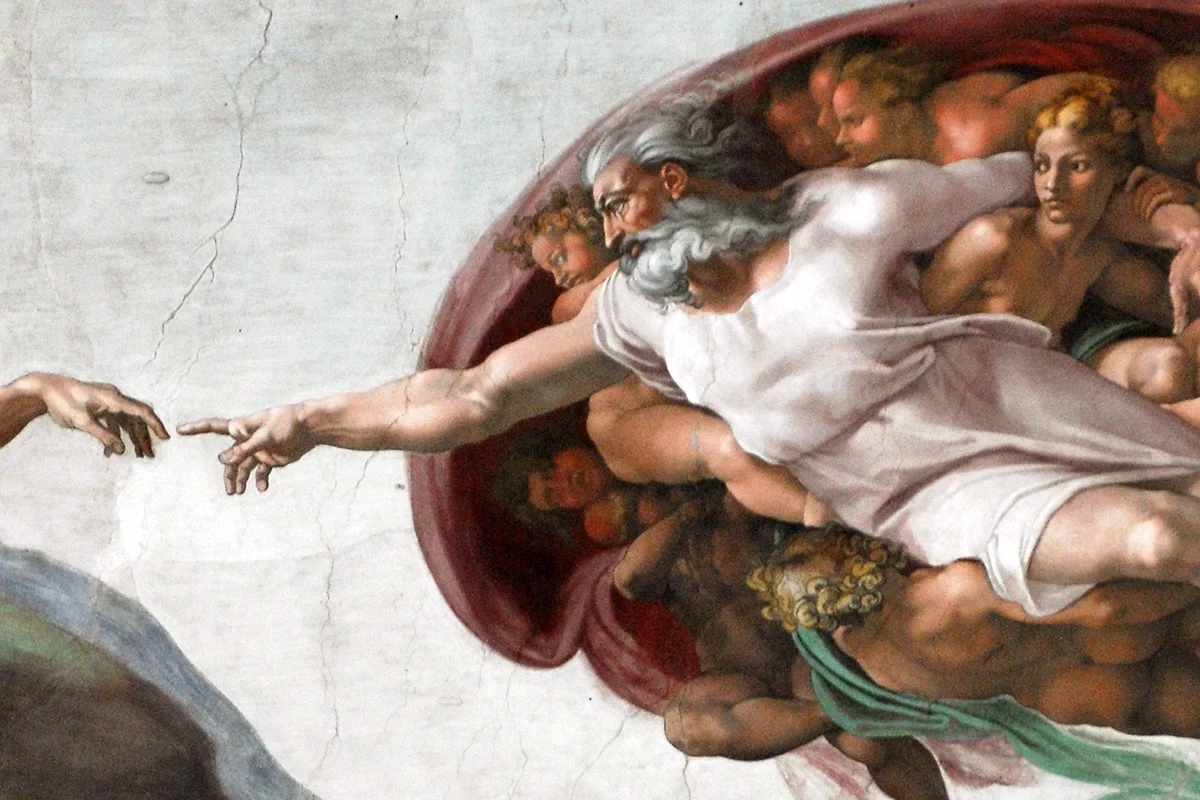
One of the most important foundations we return to at Spread Truth is the biblical truth that every human being is made in the image of God.
This truth from Genesis, that each person is made in the image of God, should profoundly shape how we see people.
The Basics
Being made in the image of God does not mean that humans physically resemble God. Rather, it means that every person carries reflections of God’s character and design. There are capacities and traits in humanity that echo the Creator, such as:
- moral awareness,
- creativity,
- relational depth,
- the ability to discern right from wrong,
- compassion,
- ingenuity,
- and a sense of meaning and purpose.
Three Results
When we learn to see the image of God in others, three things begin to happen:
First, it changes what we notice. We begin looking for traces of God’s goodness in people’s lives—even in those who do not share our beliefs. You see it in unexpected kindness, in sacrifice, in creativity, in moral courage, in the instinct to care for others. These are not accidents; these are echoes of the One who made them.
Second, it builds a resistance against dehumanization. Much of the brokenness in the world—racism, contempt, violence, dismissal of “the other”—begins when we stop seeing people as image-bearers of God. Even worse, we can find ourselves deciding that one person is less worthy of the gospel than another. But when that truth is recovered, it becomes much harder to reduce anyone to a category, stereotype, or enemy.
Every person carries a divine imprint and therefore infinite worth. We must be careful; with categories of people we disagree with, we can drift into language that feels dehumanizing. That should give us pause, because it runs counter to the way Scripture calls us to see and speak about people.
Third, it produces humility. As Tim Keller often taught, you will sometimes find people who do not know Christ yet display remarkable generosity, kindness, and hospitality—sometimes even more than those who do. That should never lead us to pride; it should lead us to humility. Salvation is grace alone. The difference between us and anyone else is not superiority, but mercy received.
New Eyes
Seeing the image of God in others changes how we engage in evangelism. It allows us to connect with what is already true in a person’s life. When you can say, “That compassion you have, that sense of justice, that creativity—that reflects something real about your design,” you are not flattering them. You are pointing to a deeper identity.
That recognition dignifies the person in front of you and can awaken a sense of worth that they may not have fully named before: they are not an accident, not an afterthought, but someone who reflects their Creator.
So why is the concept of the “Image of God” important for evangelism? Because it profoundly affects our evangelism in how we see people and how we communicate the good news of Jesus with them.
Looking for a bite-sized way to explain this concept? Check out our new series, 60-Second Theology!