
Forgiveness – why it’s so hard but necessary
 By Monish Jayselan
We all know this feeling:
There’s someone in your life right now. Maybe it’s an ex. A parent. A friend who betrayed you. A coworker who stabbed you in the back.
And if you’re honest…you haven’t forgiven them.
Not really.
You have maybe moved on outwardly. You don’t bring it up anymore. But somewhere underneath the surface the anger is still there. The hurt is still there. And every time their name comes up something tightens in your chest.
You are not alone in that. We all know what it feels like to be hurt so deeply that forgiveness feels like the last thing we want to offer.
So What Is Forgiveness?
Before we talk about why forgiveness is hard or why it’s necessary, we have to actually define it. Because most of us have an idea of what forgiveness is without ever really sitting with what it actually costs.
In his book, Forgive: Why should I and how can I? Tim Keller describes forgiveness as a voluntary suffering. When someone wrongs you, they create a debt. Someone has to pay it. Forgiveness is the decision to absorb that cost yourself – rather than spending your life trying to collect it from the person who hurt you.
That is not a small thing. But one of the hardest things a person can do.
And that’s exactly why forgiveness feels so unnatural. Because everything in us wants them to pay for it. Forgiveness feels like letting them off the hook. Like somehow we’re saying what they did wasn’t that bad.
But that’s not what forgiveness is. Forgiveness doesn’t minimize the offense. It cancels the debt – while fully acknowledging the damage was real.
Why It’s So Hard
Here’s the honest truth: forgiveness is hard because it’s costly. It requires you to absorb pain you didn’t cause and release a debt you never asked to carry.
And we resist that. Deeply.
Because holding onto the anger feels like power. It feels like justice. Like at least we’re making them pay for it somehow.
But as many have said over the years, bitterness is like drinking poison expecting the other person to die. Unforgiveness doesn’t punish them. It punishes you. You’re the one carrying the weight. You’re the one losing sleep over it while they’ve already moved on.
IS THERE SOMEONE IN YOUR LIFE YOU’VE BEEN WAITING TO PAY A DEBT THEY MAY NEVER PAY? WHAT HAS HOLDING ONTO THAT COST YOU PERSONALLY?
Why It’s So Necessary
This is where the script flips.
I heard this illustration a long time ago. Imagine carrying a bag filled with rocks – one for every person who has ever hurt you. Your ex. A parent. An old friend. You carry it to work. To dinner. To bed. And after a while, you carry it so naturally you forget it’s even there.
That’s what unforgiveness does. It doesn’t just affect your relationship with the person who hurt you – it quietly weighs down every other relationship and every other moment in your life.
Forgiveness is necessary because you and I were never meant to carry that weight forever. The only way to put that bag down – is to cancel the debt.
The Foundation – He Made the First Move
But here’s the question: How do we actually do that? Where does that kind of strength come from?
Ephesians 4:32 gives us the answer:
“Be kind to one another, tenderhearted, forgiving one another, as God in Christ forgave you.”(ESV)
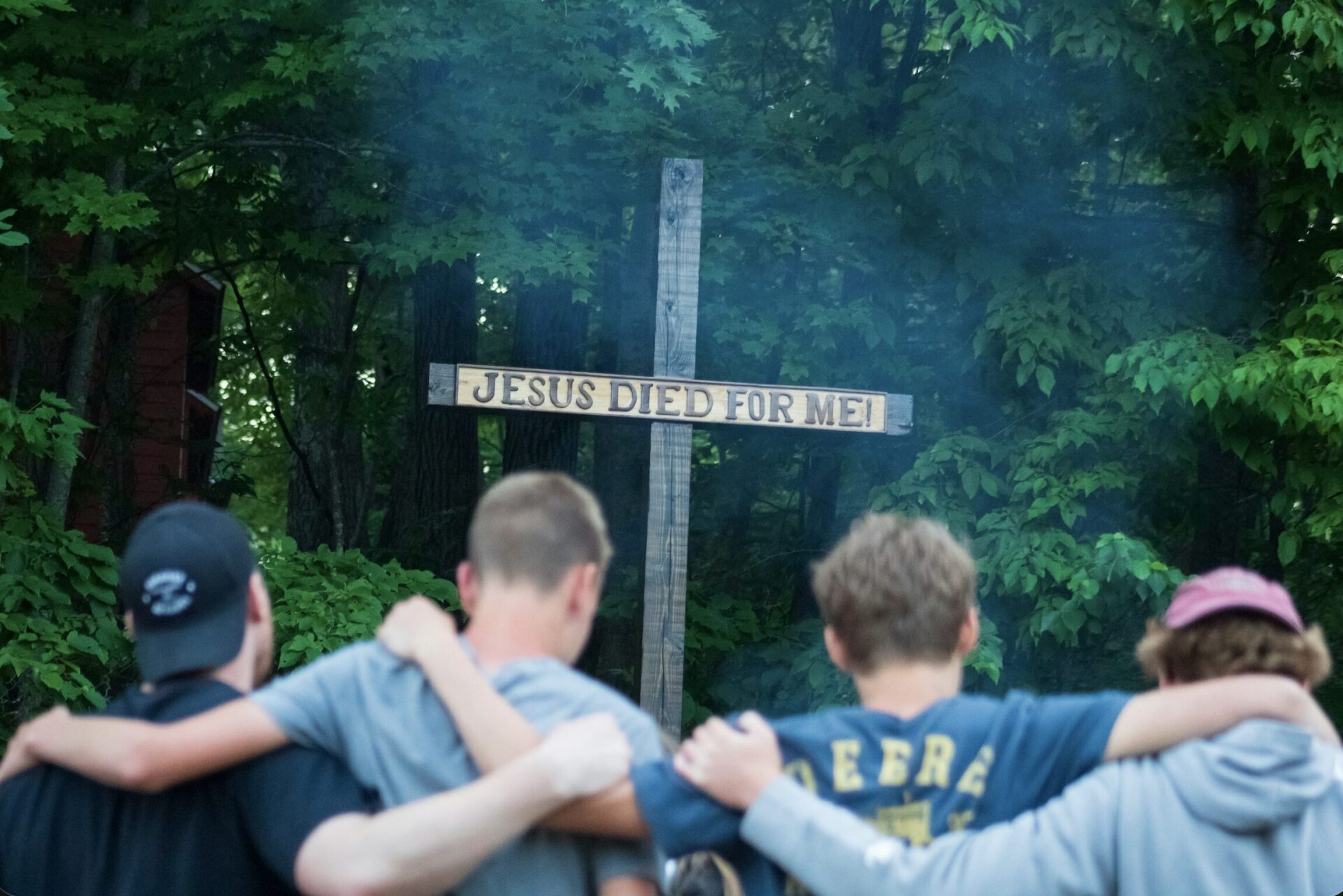
God didn’t wait for us to deserve it. He didn’t wait for us to clean up or get it together. While we were still sinners, still in our mess — He made the first move. He absorbed the cost himself so that we wouldn’t have to carry it.
That’s both the model and the motivation for forgiving others. We forgive because we have been forgiven. We cancel debts because our greatest debt has already been canceled.
Forgiven people are forgiving people.
Now It’s Your Turn
Is there someone in your life you need to make the first move for this week? Someone who hurt you, let you down, or walked away?
You don’t have to minimize what they did. You don’t have to pretend it didn’t hurt you. But you can choose to cancel the debt – not for their sake, but for yours.
He made the first move for you. Maybe it’s time to make the first move for someone else.
Looking for a bite-sized way to explain this concept? Check out our new series, 60-Second Theology!